


Activities : Trekking
Best Month : September to May
Transportation : Private Car & Flight
Accommodation : 3 Star Hotel in Kathmandu and Normal-standard lodges during the trek
Style : Lodge Trek
Max Elevation : 5550m/18,204ft at Kalapatthar
Meal : Breakfast and Farewell Dinner in Kathmandu and Breakfast, Lunch and Dinner during the trek
Trip Route : Kathmandu-Ramechhap-Lukla-Namche- Deboche-Dingboche-Lobuche-Gorekshep-Everest Base Camp & Kala Patthar-Gorakshep-Pheriche-Namche-Lukla-Ramechhap-Kathmandu
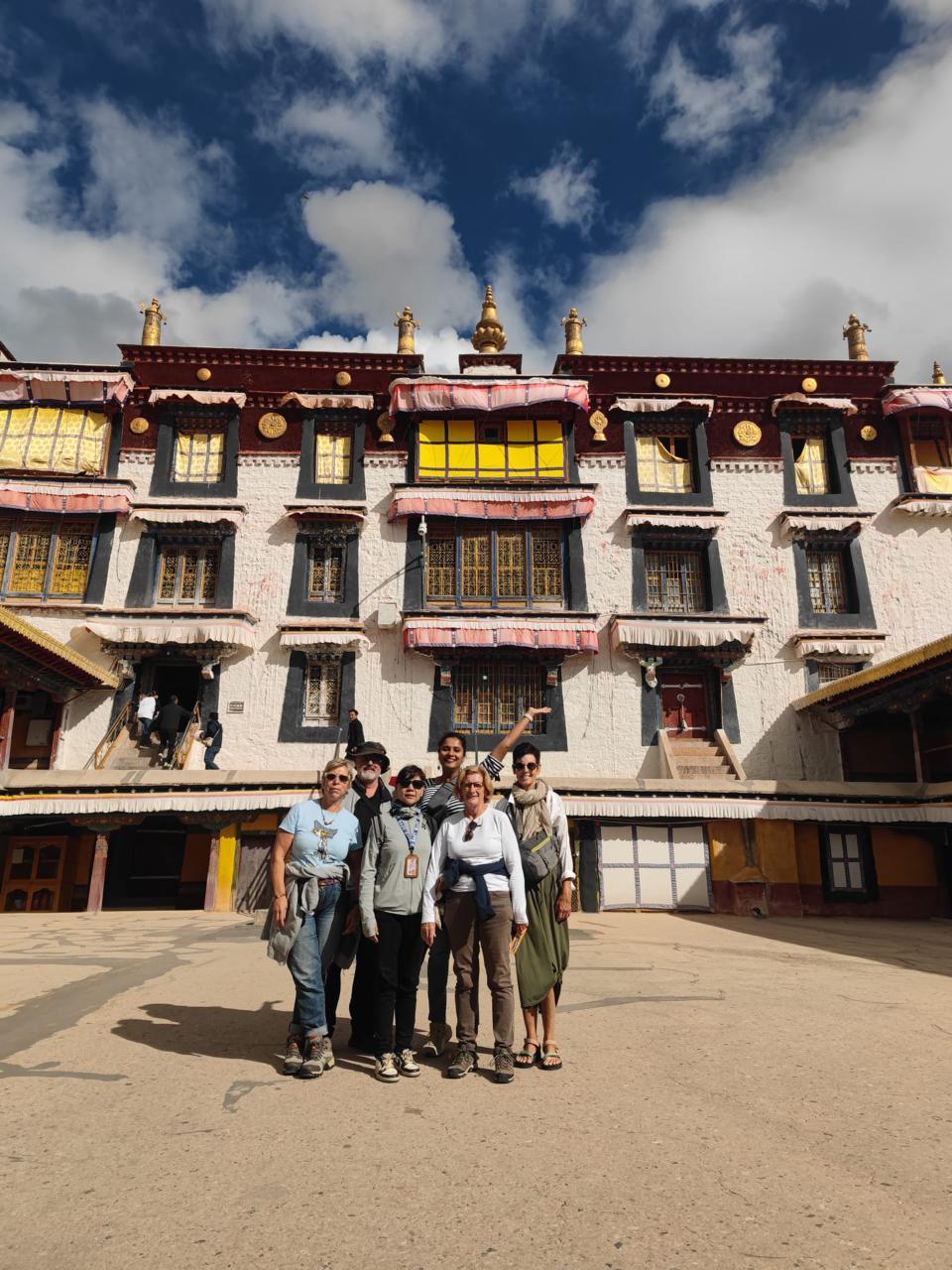
It was my first time exploring the Himalayas outside India and I loved every moment of it. The tour guides were experienced, professional and fun. AME delivered the much more that what's listed in the itinerary so much so, that I am alrea Read All
Introduction:
Everest Base Camp trek is a multi-day trekking journey to the base camp of the highest mountain in the world, Mt. Everest (8,848.86m). Mt. Everest has two base camps: the North base camp in Tibet, China and the South base camp in Khumbu, Nepal. Everest Base Camp trek in Nepal is a trekking journey to the South base camp of Mt. Everest. This base camp is located at an altitude of 5,364m/17,598ft in the Sagarmatha National Park, which lies in the Everest region of northeastern Nepal. Thus, this trek is a high-altitude trek in Nepal.
Adventure Mountain Explore Treks and Expedition’s 15 days Everest Base Camp Trek is a trekking journey for every high-altitude trekker, who wants to reach the base camp of Everest safely and comfortably. This is a standard Everest Base Camp Trek in which you will follow the classic Everest route, stay in normal-standard lodges and be guided by experienced, local guides and porters.
It's a practical, mid-budget trek that ensures realistic pacing, necessary acclimatization, adequate facilities and moderate cost to support a wide range of trekkers. By the end, you’ll know if this package fits your schedule, fitness and comfort level.
This Everest Base Camp Trek package is designed for:
This Everest Base Camp Trek package is not designed for
x Travelers on a less than two weeks holiday
x Highly experienced or technical mountaineers
x Travelers expecting western-style infrastructure at high altitude
x Luxury and high-end travelers or ultra-budget or budget-only travelers
x Travelers seeking logistics and other support only in the Everest Region
x Off-season trekkers seeking complete privacy, isolation or customization
x Independent trekkers not seeking guide and porter support during the trek
x Trekkers seeking a short or a fast-paced itinerary without mandatory acclimatization
x Travelers with serious medical conditions that get worse with altitude or mobility limitations
Everest Base Camp Standard trekking route:
The Everest Base Camp trek 15 days itinerary beings with your arrival in Kathmandu. You will spend one night in Kathmandu. The following day you will drive to Ramechhap and spend a night there. The Everest Base Camp trek itinerary with acclimatization begins the next day with your flight to Lukla (Tenzing-Hillary Airport) from Ramechhap (Manthali Airport).
Starting Lukla, it takes 8 days to reach the base camp of Mt. Everest and 3 days to return to Lukla. The entire journey Lukla-Lukla is on foot. On this base camp trekking journey, your overnight stops will be Phakding, Namche, Deboche, Dingboche, Lobuche, Gorakshep, Pheriche/Pangboche and Lukla. It's a standard and practical itinerary that includes all mandatory acclimatization days (one in Namche and another one in Dingboche) and realistic pacing and altitude gain.
After the trek, you will fly back to Ramechhap from Lukla, then drive to Kathmandu for an overnight stay, before continuing with your onward journey.
This Everest Base Camp trek follows classic/standard Everest base camp trekking route:
Lukla→Phakding→Namche→Deboche→Dingboche→Lobuche→Gorakshep→Everest Base Camp→Gorakshep→Kala Patthar→ Gorkshep→Pheriche/Pangboche→Namche→Lukla
Everest Base Camp Standard Trek Accommodation and Meals:
As per this Everest Base Camp trek package in Nepal, your accommodation in Kathmandu is booked in a centrally-located, comfortable 3-star standard hotel. You will stay 2 nights (one before and one after the trek) in Kathmandu. In Ramechhap, the overnight stay is in a relaxing resort, where you will spend one night before the trek. Similarly, accommodations in the Everest region are booked in normal-standard lodges providing basic room amenities. Rooms at all locations are based on twin sharing, therefore, a single supplement is applicable for single occupancy. Single occupancy cannot be guaranteed in Lobuche and Gorakshep.
Additionally, this 15 day EBC trek cost also includes the service of an attached toilet/bathroom with hot shower in Phakding, Namche, Deboche and Lukla and attached toilet only (without hot shower) in Dingboche and Pheriche/Pangboche. Toilets in Lobuche and Gorakshep are common. Want to enjoy the same trek with deluxe lodge upgrades? Upgrade your journey with our Everest Base Camp Deluxe Lodge Trek.
As for meals, in Kathmandu, this Everest Base Camp trek package cost includes breakfast at the hotel. In Ramechhap the package includes dinner and breakfast at the resort and once the trek starts, in the Everest region, the package provides 3 meals (Breakfast, Lunch and Dinner), 3 cups of tea or coffee and seasonal fruits for dessert, every day. Breakfast and dinner in the Everest region are usually arranged at the overnight lodges and lunch at one of the local teahouses en route. You can order the meal of your choice from the lodge/teahouse menu. While offerings may vary by location and season, most teahouses' menu includes both local (rice, lentil soup, curry, tibetan bread, tibetan soup etc) and western food (pizza, pasta, momo, chowmein, noodle soup etc.) options . All meals are served hot and fresh, but menus get simpler as altitude rises.
Everest Base Camp Trek Permits, Guides and Porters:
This Everest-region trek requires trekkers to obtain two main permits: the Khumbu Pasang Lhamu Rural Municipality Permit (or Trek Card) and Sagarmatha National Park Entry Permit. Both of these mandatory permits are included in this 15 days Everest Base Camp Trek cost and will be purchased for you in the Everest region.
This is a guided Everest Base Camp trek, hence, a government-licensed, English-speaking, experienced and knowledgeable guide will lead this trek for safety and logistics. Bigger groups will be assisted by one main guide and the required number of assistant guides. The guest-guide ratio will be 6:1.
To enhance safety, comfort and enjoyment and allow trekkers of varied fitness levels to participate, while also promoting responsible tourism and local support in the Everest region, porters are provided for this trek. Porters carry the bulk of your luggage, allowing you to trek with only a light daypack. The trekker-porter ratio on this Everest Base Camp trek with porter will be 2:1.
Thus, the 15 days Everest Base Camp Trek cost includes all - permits, guides and porter service.
15 days Everest Base Camp Trek Difficulty Level and Daily Walking
Although this two-week EBC trek is considered the most practical, comfortable and safe itinerary, some unavoidable but manageable factors still make this trek challenging. For example:
The altitude: The base camp of Everest at 5,364m and Kala Patthar at 5550 m are the highest points of this trek. The oxygen level in the air at this altitude drops significantly, making breathing more difficult and increasing the risk of altitude sickness. Therefore, this is a moderate-to-challenging trek, mainly due to the effects of altitude.
Terrain: The section from Lobuche to Everest Base Camp is rocky, uneven and covered with loose stones and gravel. On top of this, it’s barren and exposed to strong winds and cold temperatures. Thus, the combination - high altitude, rocky terrain and harsh weather makes the walk physically demanding.
Trail: While most parts of Everest base camp trekking trail is quite easy to tread, some sections, such as Hillary Bridge to Namche, Phunki Tenga to Tengboche, Thukla to Thukla Pass and Gorakshep to Kala Patthar are challenging due to steep uphill climb.
Walking hours: Although, the average daily walking hour on this trek is 5-7 hours, some days are longer and require more walking on this Everest Base Camp trek. For example, the hike from Phakding to Namche, Namche to Deboche, Lobuche to Everest Base Camp and back to Gorakshep, Pheriche to Namche and Namche to Lukla demand more walking hours than other days of the trek.
Logistics: Unavailability of heated rooms, private attached toilets and hot shower facilities especially in Lobuche and Goakshep make the trek challenging for anyone sensitive to cold or requiring extra comfort at high altitudes.
Nevertheless, despite all these difficulties, one best thing about this trek is that no section of the trail demands technical climbing skills.
Adventure Mountain Explore Treks and Expedition’s effort in minimizing the difficulty.
Standard Everest Base Camp Trek Common Mistakes and How We Avoid Them:
15 days Everest Base Camp Trek Cost Drivers:
The major factors affecting the total cost of this 15 days Everest Base Camp trek package is as follows:
Lower-cost packages may skip rest days or staff support. This package prioritizes safety and comfort.
Best season/time to plan this Everest Base Camp Trek:
This 15 days EBC Trek package specifically designed for peak trekking season/time in Nepal. March, April and May (Spring) and October and November (Autumn) are peak trekking time in Nepal.
Spring (March to May): Stable weather, clear skies, excellent visibility, comfortable daytime temperature for high-altitude trekking, spectacular Himalayan views, blooming rhododendron forest, vibrant atmosphere of the Everest climbing season, comparatively more reliable flights to and from Lukla and safer trail conditions with minimal snow.
Autumn (October and November): Crystal-clear skies, sharp mountain views after monsoon, stable weather and dry trail condition, cool, comfortable temperature for trekking, excellent visibility of Everest and the surrounding peaks, lively trails with peak trekking-season energy, reliable flights to and from Lukla and best season for photography and panoramic views.
Moreover, if you are planning on taking this trip in December, January or February, we also have a special Everest Base Camp Winter Trek package for you.
FAQs about this 15 days Everest Base Camp Trek package:
1. Is 15 days enough for Everest base Camp Trek?
Yes, the first day will be your arrival day in Kathmandu. You can choose to arrive any time of day as per your convenience. On the second day, you will drive from Kathmandu to Ramechhap and spend a night in Ramechhap. On the third day, you will fly to Lukla and start the trek the same day. From Lukla it takes 8 days to reach the base camp of Mt. Everest. These 8 days include 2 mandatory acclimatization days (one in Namche and the other in Dingboche), ensuring enough acclimatization. From the base camp you will take three days to hike down to Lukla to end the trek in Lukla. The flights to Lukla are scheduled early in the morning, therefore, you will reach Kathmandu in the morning of the 14th day of your trip (provided the flights to and from are not affected by weather or any other unforeseen circumstances). This way, you will have one full day in Kathmandu to explore and go shopping, before flying out of Nepal, on the 15th day of the trip.
2. Is this trek suitable for first-time trekkers?
Yes, if you are physically fit, are prepared to walk an average of 5-7 hours every day and if you follow this standard itinerary.
3. How difficult is this trek?
This Everest Base Camp trek is categorized under moderate to challenging trek due to altitude. However, the difficulty depends on your fitness level and prior high-altitude trekking experience.
4. Do I need a guide?
If you are concerned about your safety and are looking for a hassle-free trekking experience, we strongly recommend taking a guide. The guide will not just show you the path, but will also take care of the logistics, provide necessary information, help you connect with local people and their culture, aware you of the possible dangers, take quick action during emergencies and provide other additional support to increase the success rate of the trek.
5. Do I need a porter? How much weight does a porter carry?
Taking porter is optional if you are a frequent high-altitude trekker and accustomed to carrying heavy loads at altitude. However, if you are a first-time trekker, looking for a comfortable trekking experience, want to follow responsible and ethical trekking practices and support the local economy, we recommend taking porter. One porter carries the luggage of 2 trekkers and the maximum a porter is allowed to carry is 30 kilogram (66 pound).
6. What is the luggage weight limit for flights to and from Lukla?
The luggage limitation for flights to and from Lukla is 15 kilogram (33 pound) per person. 10 kilogram checked in luggage and 5 kilogram hand carry. Depending on the flight occupancy, the flights will also allow you to carry a few extra kilograms at additional cost.
More…
Click to book your upcoming Everest Base Camp Trek with a realistic 15-day itinerary focused on safety and comfort.
Day 01: Arrival in Kathmandu (1,300m/4,265ft)
Day 02: Trek preparation and Drive to Ramechhap (4-5h), (During Peak Season)
Day 03: Fly to Lukla (12-15 min) and trek to Phakding (2,610m/8,562ft), (8km), (4h)
Day 04: Trek to Namche Bazaar (3,440m/11,286ft), (10km), (7-8h)
Day 05: Acclimatization day in Namche
Day 06: Trek to Deboche (3,820m/12,532ft), (12km), (7-8h)
Day 07: Trek to Dingboche (4,410m/14,468ft), (11km), (5-6h)
Day 08: Acclimatization day in Dingboche
Day 09: Trek to Lobuche (4,910m/16,108ft), (8.5km), (5h)
Day 10: Trek to Gorakshep - Everest Base Camp (5,364m/17,598ft) - Gorakshep (5,164m/16,942ft), (10km), (7-8h)
Day 11: Hike to Kala Patthar (5,550m/18,208ft) and trek to Pheriche (4,240m/13,910ft), (11.5km), (7-8h)
Day 12: Trek to Namche Bazaar (3,440m/11,286ft), (18km), (7-8h)
Day 13: Trek to Lukla (2,840m/9,317ft), (18km), (6h)
Day 14: Fly to Ramechhap (12-15 min) and drive to Kathmandu (4-5h)
Day 15: Departure day
Day 01: Arrival in Kathmandu (1,300m/4,265ft) Welcome to Nepal. Today you will land at the capital and prime cultural destination of the country. One of the company representatives will meet and greet you at the airport and transfer you to the hotel booked for you in Kathmandu. The same person will help you with the hotel check in formalities, after which you can allow your jet-lagged body to relax for some time. Later, one of the company representatives will come to meet you at your hotel lobby for a trip briefing and the settlement of the final payment. You will also be introduced to your guide at the same meeting. If your flight is delayed, or scheduled to arrive in the afternoon, evening or late at night, the meeting will be conducted the following day, before leaving for Ramechhap. Spend the remaining time at leisure. Overnight in a 3 Star Standard hotel in Kathmandu.
Day 02: Trek preparation and Drive to Ramechhap (4-5h), (During Peak Season) Enjoy a hearty breakfast at the hotel, let your guide check your equipment and get your bags ready. We are leaving Kathmandu for Ramechhap only around 11:30 am-12:00 noon. Therefore, you can use the time before this for last-minute shopping, if needed. Depending on your group size, you will drive to Ramechhap in a private car/jeep/minivan. Kathmandu to Ramechhap is about a 4-5 hour drive. You will follow the B.P. highway and drive east of Kathmandu Valley. It’s a narrow, snaking two-lane highway that runs along the Sun Koshi River up till Khurkot and then along the Tama Koshi River. It’s a very scenic drive that will introduce you to the beautiful countryside. You will stop for a short lunch break at one of the highway restaurants and then continue to Ramechhap. Once in Ramechhap, your guide will help you check into the resort and you can spend the remaining time at leisure. Overnight in a resort in Ramechhap. Meals: Breakfast, Lunch, Dinner
Day 03: Fly to Lukla (12-15 min) and trek to Phakding (2,610m/8,562ft), (8km), (4h) Airport reporting time at the Manthali Airport in Ramechhap is one hour before flight time. Therefore, breakfast at the resort and as per your airport reporting time, your guide will transfer you to the Manthali Airport in Ramechhap. From this airport, you will fly to the Tenzing-Hillary Airport in Lukla, which is one of the most dangerous airports in the world. Therefore, it’s a very thrilling flight, especially the landing experience, but very scenic. The flight time is only 12-15 minutes. After landing, you will meet your porters awaiting your arrival at Lukla and transfer your luggage to them. If you couldn’t have your breakfast in Ramechhap, you will first have breakfast in Lukla and then start the trek. Phakding is the destination of the day. Located roughly 8 kilometers north of Lukla, Phakding is lower in altitude than Lukla. The trail goes mostly downhill through small settlements of Sherpa people. Along the way you can see many sections of the trail decorated with Mani stones, and fluttering colorful prayer flags. You can also spot a few prayer wheels and small chortens, all of which hold great importance in the lives of Sherpa people and give you insight into the beliefs and culture of people living in the Everest region. A 4-hour walk from Lukla will take you to Phakding, where you will check into the lodge and have your lunch. After a short rest, around the afternoon, your guide will take you on an acclimatization hike to the nearby monastery. After spending some time exploring the monasteries, you will get back to the lodge for dinner and overnight stay. Meals: Breakfast, Lunch and Dinner
Day 04: Trek to Namche Bazaar (3,440m/11,286ft), (10km) (7-8h) After breakfast at the lodge, you will start your hike to Namche, one of the most stunning urban settings and the most happening place in the Himalayas. The distance is about 10 kilometers and an average hiker would take about 7-8 hours to complete the journey. The trail from Phakding all the way up to the infamous Hillary bridge is fairly easy. In this section, the trail mostly runs along the Dudh Koshi River, goes through the tranquil forest of Rhododendron and settlements like Zam Fute, Toktok, Bengkar and Chhamua. The is also connected by suspension bridges at different sections. Before reaching Monjo, the trail grows comparatively steeper than before. At Monjo, which is also known as the gateway to Sagarmatha National Park (a UNESCO World Heritage Site), your guide will take care of the necessary national park formalities and then you will continue your journey further north. You will stop for lunch around Jorsalle and then resume your hike. From Jorsalle to Larja Dobhan the undulating trail is easy. As you walk past the Dobhan, you will now hike up to cross the longest and the highest bridge on the way to the Everest Base Camp, the Hillary Bridge. Get mentally ready for the most strenuous section of today’s hike. Crossing the bridge, you will hike to a viewpoint that on clear days presents you with the first view of Everest. Enjoy the view and continue on a long steep hike to Namche. In Namche, you will check into the lodge booked for you. You can spend the remaining hours of the evening either resting at the lodge, or exploring the bustling town of Namche. Overnight in a lodge in Namche. Meals: Breakfast, Lunch and Dinner
Day 05: Acclimatization day in Namche Already above 3000 meters, you now should allow your body to acclimatize to the thinning air, before gaining more elevation. Keeping active to resting boosts the process of acclimatization. Thus, on this day you will stroll around the region. If you are interested in seeing the mountain views you will hike to the Everest View Hotel in Syangboche; however, if your interest leans more towards exploring the villages and interacting with local people, you can choose to hike to the settlements of Khumjung and Khunde. These villages are also a site of Khumjung monastery that has purported Yeti Scalp, Khumjung School built by Sir Edmund Hillary’s Himalayan Trust and Khunde Hospital founded by Sir Edmund Hillary. All these hiking destinations are located roughly 300-400 meters higher than Namche, making them perfect locations to go for an acclimatization hike. The hike is a half-day hike, therefore, after returning from the hike, you will have enough time to relax at the neighboring cafe, pub or restaurant. You will then return to the lodge for overnight stay. Meals: Breakfast, Lunch and Dinner
Day 06: Trek to Deboche (3,820m/12,532ft), (12km), (7-8h) Your next night stop is Deboche, located about 12 kilometers north-east of Namche. An average hiker completes today’s journey in about 7-8 hours. After breakfast, leaving the bustling town of Namche, you will start your journey to Deboche. The first leg of the journey, that is, to Sanasa is fairly easy as the trail ascends very gradually. Before reaching Sanasa, you will walk past the memorial stupa of the legendary Tenzing Norgay and come to a village called Khyangjuma (located roughly 4 kilometers from Namche), that offers a magical view of Mt. Ama Dablam, the most beautiful mountain in the Everest region. From this village the hamlet of Sanasa is only about a-kilometer walk. It’s a very important section as the trail to Gokyo forks off from the Everest Base Camp trail at this place. Following the Everest Base Camp trail, you will now continue down to Phunki Tenga, before heading further onto the most difficult section of today’s trail. You will stop for lunch at Phunki Tenga and after lunch, get ready for the hardest climb of the day. At Phunki Tenga, you will cross a bridge and hike up on a steeply ascending trail through the forest of fir and pine for about 2.5 to 3 hours to reach Tengboche monastery, the largest and the most important monastery in the Everest region. Explore the monastery area, observe the daily prayer service conducted by the monks, take photos of the surrounding panorama that includes Tawache, Everest, Nuptse, Lhotse, Ama Dablam and Thamserku and continue down to Debohce, located roughly 30 minutes downhill from Tengboche. The trail to Deboche gradually descends through the forest of pine, fir and birch, making it a very easy and pleasant hike to Deboche. In Deboche, you will check into the lodge for dinner and overnight stay. Meals: Breakfast, Lunch and Dinner
Day 07: Trek to Dingboche (4,410m/14,468ft), (11km), (5-6h) Your next destination is Dingboche, which is your first nightstop above the treeline. It is located approximately 11 kilometers north-east of Deboche. After breakfast, leaving Deboche, the hike continues further and first goes down to the suspension bridge over the Imja River, past Milingo. Crossing the bridge, you will continue further to Pangboche on a gradually ascending trail. Slowly leaving the treeline you are now hiking above the treeline. Pangboche is the last year-round settlement located roughly 4 kilometers from Deboche. From Pangboche, you will continue further on a gradually ascending trail that runs along the Imaj River to Somare. Since the hike is above treeline, the area starts to grow very windy. Continue further to the bridge that comes past the trail junction to Pheriche. Crossing the bridge, you will now continue on an up and down trail to Dingboche. A 5-6 hours walk from Deboche will take you to Dingboche. Check into the hotel, take a short rest and you can spend the remaining day either exploring the settlement of Dingboche or simply enjoying the cafe nearby. Meals: Breakfast, Lunch and Dinner
Day 08: Acclimatization day in Dingboche Since you are already above 4000 meters, one more acclimatization is necessary before gaining more elevation. You will be given two choices for acclimatization hike. One is a half-day hike to the Nagarjung Hill located right above the settlement of Dingboche, that offers a very beautiful panorama of Taboche, Cholatse, Ama Dablam, Lhotse, Thamserku, Lobuche, Island Peak, Makalu, Baruntse and Peak 38. The highest you will go on this hike is 4900 meters. You will start after breakfast and be back to Dingboche by lunch time. Moreover, if you prefer a full day acclimatization hike, you will go to Chhukhung, located east of Dingboche. This hike allows you to enjoy the stunning views of Ama Dablam, Baruntse, Lhotse, Island Peak, Cholatse, Taboche, Thamserku, Kongde, Kangtega as well as peak 38. The highest you will go on this hike is 4,730m and will only get back to Dingboche in the evening. You will carry packed lunch for this hike. Overnight in a lodge in Dingboche. Meals: Breakfast, Lunch and Dinner
Day 09: Trek to Lobuche (4,910m/16,108ft), (8.5km), (5h) Located roughly 8.5 kilometers north-west of Dingboche, the journey to Lobuche starts after breakfast. The first leg of the day’s trail is fairly flat and runs along the valley wall and gradually ascends to Thukla pass, past Dusa and Parlung Kharka, presenting the striking views of Taboche and Cholatse. However, before climbing to Thukla, you will first descend to the glacial stream that originates from the Khumbu Glacier, cross it and continue up on boulders to Thukla. The hike further to the Thukla Pass is on the boulders and stone steps, and is considered the most difficult section of today’s journey. Once you reach the pass you will see a number of stone and cement structures built marking the memorial to the climbers, who lost their lives while summiting Everest and other peaks. After the pass, the trail grows comparatively flat and easy and heads further north to meet and follow the Khumbu Glacier all the way up to the base camp. Mt. Pumori makes a grand appearance here. A half-an-hour hike north from this point will take you to Lobuche, your night stop for today. You will check into the lodge and spend the afternoon either exploring the area or simply resting at the lodge. The lodge options here are very limited in number and are basic compared to the once used earlier. Overnight in a lodge in Lobuche. Meals: Breakfast, Lunch and Dinner
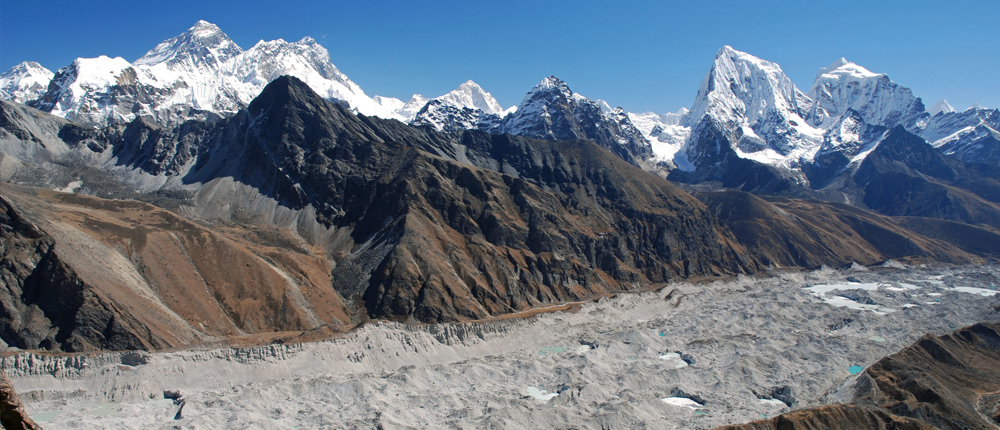
Day 10: Trek to Gorakshep - Everest Base Camp (5,364m/17,598ft) - Gorakshep (5,164m/16,942ft), (10km), (7-8h) Today you will reach the base camp of Everest. Be prepared for a long day ahead. Like any other day, you will start after breakfast in Lobuche. The trek today is mostly rocky and on big boulders and requires a good amount of energy. Therefore, after having a filling breakfast in Lobuche, you will continue further north from Lobuche to Gorakshep, which is your last night stop in this trek. Located roughly 4 kilometers from Lobuche, it takes about a 3-hours walk to reach Gorakshep from Lobuche. Following the trail that runs parallel to the Khumbu Glacier, you will hike to Gorakshep. The trail grows a bit difficult after crossing the Lobuce pass as it’s a series of vertical climbs on a trail covered with big boulderstone. You will also get the opportunity to cross the terminal moraine of the Changri Shar Glacier, before reaching Gorakshep. At Gorakshep, you will leave your luggage and after a short rest, head toward the base camp located further north from Gorakshep. The distance is roughly 3 kilometers. From Gorakshep, you will first head to the lateral moraine of the Khumbu Glacier and then follow the mostly trodden trail that runs parallel to the glacier to hike to the base camp. This part of the hike is mostly on loose rocks or big bouldestones. A 2-hour hike will finally take you to the base camp of Mt. Everest, which is marked by the iconic rock. Spend some time feeling accomplished and relishing the views of the stunning Nuptse, Pumori, Lingtren, Khumbutse, Everest, Tibet Mountain, Lho La and the Khumbu Icefall and the Khumbu Glacier. You will then return to Gorakshep covering a distance of 10 kilometers (Lobuche-Base Camp-Gorakshep) in roughly 7-8 hours. Meals: Breakfast, Lunch and Dinner
Day 11: Hike to Kala Patthar (5,550m/18,208ft) and trek to Pheriche (4,240m/13,910ft), (11.5km), (7-8h) Kala Patthar is the best viewpoint in the entire Everest region to behold Mt. Everest and the mountain sunrise view. Therefore, you will start this day before breakfast and climb Kala Patthar, 5545m (the highest point of this trek). From Gorakshep, it takes about 2 hours to reach the viewpoint. Thus, you will start the hike accordingly. It’s a steep climb, but the viewpoint greets you with staggering views of Pumori, and peaks from Lobuche West to Nuptse and Lhotse including Mt. Everest, all in their best shape. The top also presents a distant view of Khumbu Icefall, Khumbu Glacier and Mt. Everest Base Camp. After enjoying the sun-kissed view of the highest mountain in the world, you will get back to Gorakshep for breakfast, before starting your return journey. On your return journey, from Gorakshep, you will retrace your steps all the day down to Thukla. At Thukla, the trail bifurcates, one leading to Dingboche and the other one to Pheriche. Following the Pheriche trail, you will not continue to Pheriche. Please note: If you are not very tired, your guide will also give you an option to hike down to Pangboche, which makes the next day’s trek short and easy. Meals: Breakfast, Lunch and Dinner
Day 12: Trek to Namche Bazaar (3,440m/11,286ft), (18km), (7-8h) The path is still relatively simple today but however you have to face some of the ascents. Despite being a longer trek, there is no room for boredom as you will still see the panoramic views of the mountains from a distance. You could stop many times on this route to have the final look at these breathtaking mountains. Passing through the greeneries and the alpine landscapes you will go through the charming towns of Orsho, Somare, Pangboche, and Tengboche and finally descend down to Namche Bazaar. Once you arrive at the accommodation in Namche Bazaar, you may think back on your time spent at Everest base camp. Apart from that, you might take pleasure in the local restaurants and cafés. Overnight at a lodge in Namche Bazaar. (Meals: Breakfast, Lunch Dinner)
Day 13: Trek to Lukla (2,840m/9,317ft), (18km), (6h) Your trekking journey in the Everest region ends with this final hike from Namche to Lukla. After breakfast, in Namche, you will begin to retrace your steps to Lukla. You will hike down to the Hillary Bridge and then to Monjo, where your guide will take care of the necessary national park check-out formalities. Then enjoying the walk through the forest of Rhododendron, a number of suspension bridges, and the tiny settlements along the way you will hike all the way south to Lukla. Once you are in Lukla, you can either choose to spend some alone time recalling the exciting moments of the journey or celebrate the success of the trek with the team members. Overnight in a lodge in Lukla. Meals: Breakfast, Lunch and Dinner
Day 14: Fly to Ramechhap (12-15 min) and drive to Kathmandu (4-5h) Enjoy your last breakfast in the Everest region, while your guide takes care of the airport formalities. You will then fly to Ramechhap. At Ramechhap, a vehicle will be awaiting your arrival to transfer you to your hotel in Kathmandu. Once again, enjoying the beautiful views of the countryside, you will drive back to Kathmandu. Lunch will be served at one of the restaurants along the highway. After reaching Kathmandu, you will be transferred to the hotel booked for you. Check into the hotel, freshen up, rest for some time and in the evening one of the company representatives will meet you for farewell dinner and feedback. Overnight in a hotel in Kathmandu. Meals: Breakfast, Lunch and Dinner
Day 15: Departure day Breakfast at the hotel and as per your airport time, you will be transferred to the airport to help you catch your flight to your onward destination. Meals: Breakfast
Trip Cost Include
Trip Cost Exclude
Special Note: On our trip you are able to schedule your own departure dates. We are able to depart our trip every day (only Nepal). So kindly choose your own date as per your convenient. Contact us to schedule your own departure day.
| Start Date | End Date | Status | Cost | Book Trip |
|---|
| Start Date | End Date | Status | Cost | Book Trip |
|---|
| Start Date | End Date | Status | Cost | Book Trip |
|---|
| Start Date | End Date | Status | Cost | Book Trip |
|---|
| Start Date | End Date | Status | Cost | Book Trip |
|---|
| Start Date | End Date | Status | Cost | Book Trip |
|---|
| Start Date | End Date | Status | Cost | Book Trip |
|---|
| Start Date | End Date | Status | Cost | Book Trip |
|---|
| Start Date | End Date | Status | Cost | Book Trip |
|---|
| Start Date | End Date | Status | Cost | Book Trip |
|---|
| Start Date | End Date | Status | Cost | Book Trip |
|---|
| Start Date | End Date | Status | Cost | Book Trip |
|---|
| Start Date | End Date | Status | Cost | Book Trip |
|---|
| Start Date | End Date | Status | Cost | Book Trip |
|---|
| Start Date | End Date | Status | Cost | Book Trip |
|---|
| Start Date | End Date | Status | Cost | Book Trip |
|---|


Subscribe to our email newsletter







Copyright © 2026 Adventure Mountain Explore Treks & Expedition :: All right reserved
.png)
