
Activities : Birds watching, Trekking, Sightseeing
Best Month : March-May September -December
Transportation : Private
Accommodation : A Category Hotels
Style : Hotel
Max Elevation : 3,120 Taktsang Monastery
Meal : Full Board (Breakfast, Lunch, Dinner)
Trip Route : Paro-Thimpu-Paro
Embark on a 3 night, 4 day tour of the two most accessible and mystical cities of Bhutan: Paro and Thimpu and discover its enchanting landscape, fascinating monuments, vibrant culture, enriching lifestyle and the philosophy centered around happiness.
Glimpses of Bhutan offers a meaningful introduction to the country through a carefully curated selection of attractions in Paro and Thimpu, providing visitors with a rich insight into Bhutan’s natural beauty, cultural heritage, spiritual tradition and way of life, all within a short span of time.
This 4-day Bhutan tour starts and ends in Paro. You will spend two nights in Thimpu and one night in Paro. After flying into Paro, with a scenic drive to the country’s capital (Thimpu), you will be introduced to the beautiful landscape of the country. Only then you will visit sites, such as the Great Buddha Dordenma (religious monument), the Royal Takin Preserve (wildlife), Simply Bhutan (culture and rhythm), craft bazaar (art and craft) and Taschichho Dzong (Bhutanese architecture and the unity of religion and governance) that will help you understand the essence of the capital.
The second day is a deep dive into the country’s historical and cultural aspect with a visit to Gagyel Lundrup Weaving Center (a center for traditional handwoven Bhutanese textile), National Institute of Zorig Chusum (a school for country’s 13 traditional arts and crafts), Centenary Farmer’s Market (country’s farmers hub and a center for the buying and selling of fresh produce, local products and traditional goods), Changlimithang National Stadium (a multi-purpose stadium that standing on historical battle site hosts multiple sports and public events), Memorial Chorten (a prominent Buddhist stupa built in the memory of Bhutan’s third king that serves as a spiritual landmark for daily worship and reflection) and Simtokha Dzong (one of the oldest dzongs in Bhutan that marks the beginning of dzong architecture and centralized authority in the country).
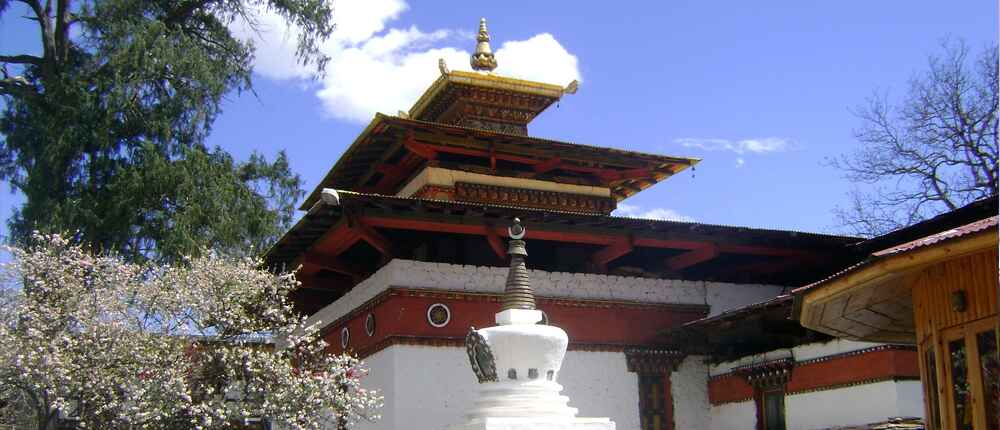
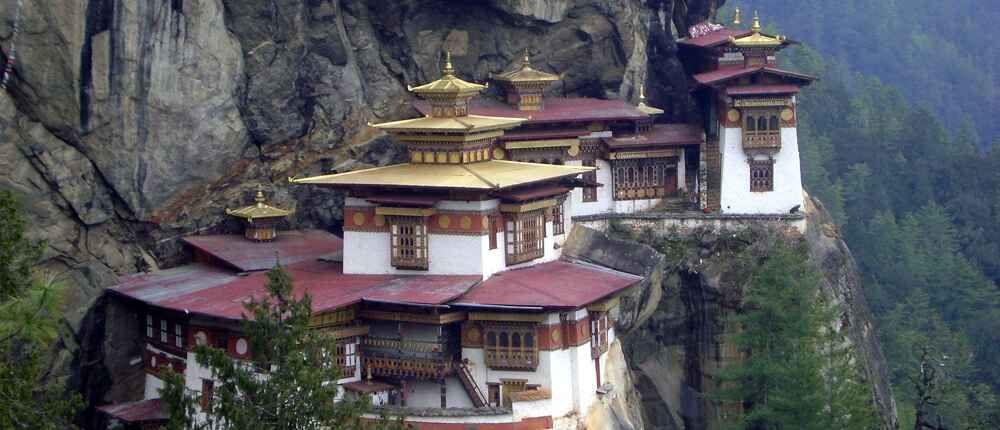
The third day is dedicated to the attractions in Paro. A hike to the Taktsang Monastery, also known as the Tiger’s Nest (an iconic, legendary and sacred Vajrayana Buddhist temple built into a cliff above Paro Valley that draws in visitors with its location, architecture and its mythical origin ), Kyichu Lhakhang (a 7th century temple built in the country by Tibetan King, Songtsen Gampo) and Paro Dzong (a majestic fortress-monastery exhibiting the stunning example of Bhutanese architecture serves as a religious and administrative center). After exploring these sites, the day beautifully ends with a visit to a traditional farmhouse to experience authentic Bhutanese cuisine, lifestyle and hospitality. This itinerary uniquely includes Dochula Pass, a highlight not typically featured in the standard 4-day Bhutan tours and a 15th century temple Tachog Lhakhang as well. For more details, please refer to the detailed itinerary.
However, should you wish to tailor the itinerary or package to your preferences, we would be happy to assist you.
This 4 day Bhutan tour is available yearround, but those interested in experiencing Bhutan at its most captivating time of the year, plan this trip sometime around March to May or September to December.
For those interested in attending one of Bhutan’s traditional and vibrant festivals, the two cities included in this itinerary also host celebrations such as Paro Tshechu in Paro and Rhododendron Festival, Thimphu Drubchen, Thimpu Tshechu, Jhomolhari Mountain Festival, Dechenphu Tshechu and Druk Wangyel Tshechu in Thimpu.
This Bhutan tour is ideal for a wide range of travelers, such as time-bound travelers, first time visitors seeking taste of Bhutan without feeling rushed, cultural and spiritual enthusiasts, families and groups, landscape and wildlife photographers, architect or the one aspiring to be one as well as the ones in search of solitude, peace and happiness. Additionally, this tour also makes a great side-trip for those already travelling in India, Nepal or any other country in South Asia.
Planning to spend more or less than 4 days in Bhutan? Explore the range of multi-day Bhutan tour options we offer.
Have a group or are interested in joining an existing group? Enjoy a special group rate!
Day 01: Arrival in Paro - Transfer to Thimpu- Explore Thimpu
Day 02: Visit additional points of interest in Thimpu
Day 03: Taktsang Monastery Hike and get to know Paro’s Hidden Gems
Day 04: Departure day
Day 01: Arrival in Paro - Transfer to Thimpu- Explore Thimpu Altitude Paro: 2,200m Altitude Thimpu: 2,300m Distance: 54 kilometers approx. Driving Time: 1.5 hours Begin this 4-day Bhutan tour by flying into Paro International Airport, the only international airport in Bhutan. After immigration and customs formalities, meet your Bhutanese guide outside the arrival area. He/she will traditionally welcome you to Bhutan, before starting your journey to Thimpu. Enjoy a scenic drive that gently winds along the Paro Chhu (Paro River), before merging with the Wang Chhu (Thimpu River), offering stunning views of terraced fields, traditional farmhouses and distant mountains. Along the way, pass through small settlements and spot locals in traditional attire going about their day. The highlight of this drive includes a stop at Tachog/Tamchog Lhakhang, a 15th century temple located on the base of the mountain along the Paro-Thimpu highway, right after Isuna Village and roughly 5 kilometers before the confluence of Paro and Thimpu river. The temple was built by the legendary “Iron Bridge Builder”, Thangtong Gyalpo. In the present day, the main shrine houses relics, such as a statue of Lord Buddha, Zhabdrung, Guru Padmasambhava and Chenrezig Avalokiteshvara and ancient books (Kangjur and Tenjur) and a walking stick of Thangtong Gyalpo. Located 10 minutes from the highway, visitors need to cross the bridge built in the 15th century (restored in 2005) to visit the temple. Continue to Thimpu after visiting the temple. As you approach the capital, witness the changing landscape where emerging city life perfectly blends with the surrounding natural beauty. Reach the capital ideally nestled in a wide valley surrounded by pine-covered hills and check into the hotel for a short rest and lunch. After lunch visit the following sites: The Great Buddha Dordenma: Located atop a hill in Kuenselphodrang Nature Park, it’s a 169 feet tall, bronze and gold statue of Buddha that fulfills a prophecy dating back to the 8th century. It is one of the largest statues of Buddha in the world and is believed to emanate an aura of peace and happiness to the entire world. The Royal Takin Preserve: Located in Motithang district of Thimpu, it’s a 3.4ha forested wildlife sanctuary that preserves the national animal of Bhutan ‘Takin’ with other wildlife, such as sambar and barking deer, red muntjac, yak and himalayan serow and birds, such as Monal and Tragopan in its natural habitat. Simply Bhutan: It’s a living museum that offers an immersive experience into Bhutanese culture, tradition and the way of life. Designed like a traditional village, this place not just offers the opportunity to interact with artisans, performers and guides, but also offers the opportunity to dress in traditional Bhutanese attire, watch artisans demonstrate crafts, such as wood carving, weaving, painting etc., try your hands at archery, enjoy cultural performances as well as taste local tea and traditional snacks. Authentic Bhutanese Craft Bazaar: It’s a handicraft market run by rural artisans exhibiting, promoting and preserving Bhutan’s traditional arts and crafts. The market consists of about 80 bamboo-hut stalls that showcase and sell textiles, paintings, wood, slate and stone carvings, bronze and brass statues, silver and gold ornaments, paper crafts, as well as bamboo and cane products. Taschichho Dzong: As a grand fortress-monastery, built in the 13th century, and presently housing the Throne Room of the King, the Cabinet Secretariat and central monastic body, this Dzong plays a central role in Bhutan’s administrative and spiritual life. The traditional Bhutanese architecture, with whitewashed walls, golden spires and intricately painted woodwork and the flag lowering ceremony make the major highlight of this dzong. The dzong is open to visitors only after office hours and is illuminated at night offering visitors iconic and magical ambience and excellent photo opportunities. After visiting these sites, you will get back to the hotel in Thimpu for overnight stay. Meals: Lunch and Dinner
Day 02: Visit additional points of interest in Thimpu Altitude Thimpu: 2,300m Altitude Dochula Pass: 3,050m Distance: 30 km Driving Time: 45 min Starting the day after early morning breakfast, drive to Dochula Pass, a high-altitude pass located 3,050 meters above sea level on the Thimpu-Punakha road. The pass is adorned with 108 Druk Wangyal Chortens -white memorial chortens built to commemorate Bhutanese soldiers who lost their lives during 2003 military operation and offers a panoramic view of the Eastern Himalayas that include peaks like Gangkar Puensum (7,507m), the highest mountain in Bhutan. Here, spend some time exploring the chortens and the nearby Druk Wangyal Lhakhang - a temple built to celebrate 100 years of monarchy in Bhutan. From the pass, drive back to Thimpu to explore other attractions in Thimpu, such as: Simtokha Dzong: Built in the 17th century, this is the first dzong in Bhutan, which was built by Shadrung Ngawang Namgyal, the founder and the unifier of Bhutan as a nation-state. Gagyel Lundrup Weaving Center: It’s a very famous private weaving factory dedicated to preserving the nation's rich textile heritage. Here, expert artisans, especially women, weave textiles that range from normal to royal-grade by hand using backstrap looms, age-old techniques and natural dyes. National Institute of Zorig Chusum: It’s a vocational art school and living museum where students undergo 4-6 years of intensive training to learn the country's 13 traditional art and crafts that range from painting, sculpting and crafting to tailoring, pottery, paper making and more with a purpose to preserve and promote them. Centenary Farmer’s Market: It is the country’s largest and busiest agricultural hub, where farmers from the capital and neighbouring areas exhibit and sell both fresh produce/local speciality food and imported items. These items are displayed in hundreds of stalls in this market offering insight into Bhutan's food culture, agrarian lifestyle and community dynamics. Changlimithang National Stadium: Originally it’s the battlefield where the decisive historical battle,the Battle of Changlimithang (1885), took place unifying Bhutan under one ruler. Today, it’s a multipurpose national stadium that hosts sporting events, such as Archery (the national game of Bhutan), football, volleyball, athletics; provides facilities for squash, billiard and tennis and hosts cultural celebration and the wider public events such as National Day celebrations, concerts etc. Memorial Chorten: It’s a combination (memorial and Tibetan-style stupa) landmark and one of the most spiritual landmarks in Bhutan. It was built in 1947 by Queen Mother Ashi Phuntsho Choden, in memory of her son, King Jigme Dorji Wangchuck, the Third King. It’s a spiritual and artistic masterpiece with rich symbolism that offers tranquil ambiance and insight into Bhutanese devotion and the rhythm of daily religious life. After visiting these sites, get back to the hotel in Thimpu for overnight stay. Meals: Breakfast, Lunch and Dinner
Day 03: Taktsang Monastery Hike and get to know Paro’s Hidden Gems Altitude Thimpu: 2,300m Altitude Paro: 2,200m Distance Thimpu to Paro: 54 kms approx Driving Time: 1.5 hrs Altitude Tiger’s Nest: 3,120m Starting after breakfast in Thimpu and following the Thimpu-Paro road, take a scenic drive back to Paro from Thimpu for Taktsang Monastery (the Tiger’s Nest) hike. Taktsang Monastery is a sacred Vajrayana Buddhist temple complex built into a sheer cliffside in the Paro Valley. Originally a meditation cave of Guru Padmasambhava, the monastery was only built in 1692-94 and is still considered one of the most sacred locations in the Himalayan Buddhist world. Drive to the trailhead and start your day’s hike to the monastery. Reach the famous viewpoint after about 1.5 to 2 hours from the trail (depending on your pace). Take a short tea break, get inspired by the view and continue to hike to the monastery. Once at the monastery, explore the monastery (cameras and phones not allowed) and hike down to the viewpoint cafeteria for lunch before hiking down to the parking area located near the trailhead. After completing the hike, visit other attractions such as: Kyichu Lhakhang: It’s a 7th century temple built by the Tibetan Emperor, Songtsen Gampo, as one of the 108 ‘demon-subduing’ temples to help spread Buddhism. Despite being one of the oldest, the temple is still active and central to religious life and the visit allows visitors to witness devotional practice, timeless iconography and sacred relics in an authentic setting. Paro Rinpung: It’s a fortress built in the 15th century that in present day housing monks and government offices, serves as the administrative and monastic center of western Bhutan. Perched majestically over the valley with its centuries old legacy the dzong offers historical depth, spiritual heritage and architectural brilliance to its visitors. After exploring these sites, wrap up the day by visiting one of the traditional farmhouses to enjoy the rural lifestyle of the Bhutanese people. Enjoy authentic Bhutanese dinner, interact with the host family and if interested, experience archery and even a traditional hot stone bath to relax your tired muscles. Get back to the hotel in Paro for overnight stay. Meals: Breakfast, Lunch and Dinner
Day 04: Departure day If your flight is scheduled in the morning, after breakfast, get transferred to the airport to fly out of Bhutan. However, if the flight is scheduled later in the afternoon, spend the morning exploring other attractions, such as the National Museum of Bhutan, Ta Dzong or go souvenir shopping at Paro craft and weekend market, before flying out of Bhutan. Meals: Breakfast
Trip Cost Include
Trip Cost Exclude
Special Note: On our trip you are able to schedule your own departure dates. We are able to depart our trip every day (only Nepal). So kindly choose your own date as per your convenient. Contact us to schedule your own departure day.
| Start Date | End Date | Status | Cost | Book Trip |
|---|
| Start Date | End Date | Status | Cost | Book Trip |
|---|
| Start Date | End Date | Status | Cost | Book Trip |
|---|
| Start Date | End Date | Status | Cost | Book Trip |
|---|
| Start Date | End Date | Status | Cost | Book Trip |
|---|
| Start Date | End Date | Status | Cost | Book Trip |
|---|
| Start Date | End Date | Status | Cost | Book Trip |
|---|
| Start Date | End Date | Status | Cost | Book Trip |
|---|
| Start Date | End Date | Status | Cost | Book Trip |
|---|
| Start Date | End Date | Status | Cost | Book Trip |
|---|
| Start Date | End Date | Status | Cost | Book Trip |
|---|
| Start Date | End Date | Status | Cost | Book Trip |
|---|
| Start Date | End Date | Status | Cost | Book Trip |
|---|
| Start Date | End Date | Status | Cost | Book Trip |
|---|
| Start Date | End Date | Status | Cost | Book Trip |
|---|
Subscribe to our email newsletter







Copyright © 2026 Adventure Mountain Explore Treks & Expedition :: All right reserved